New
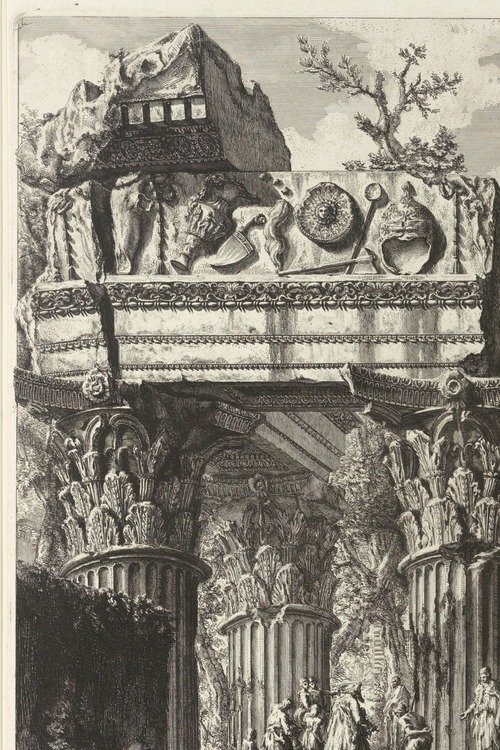
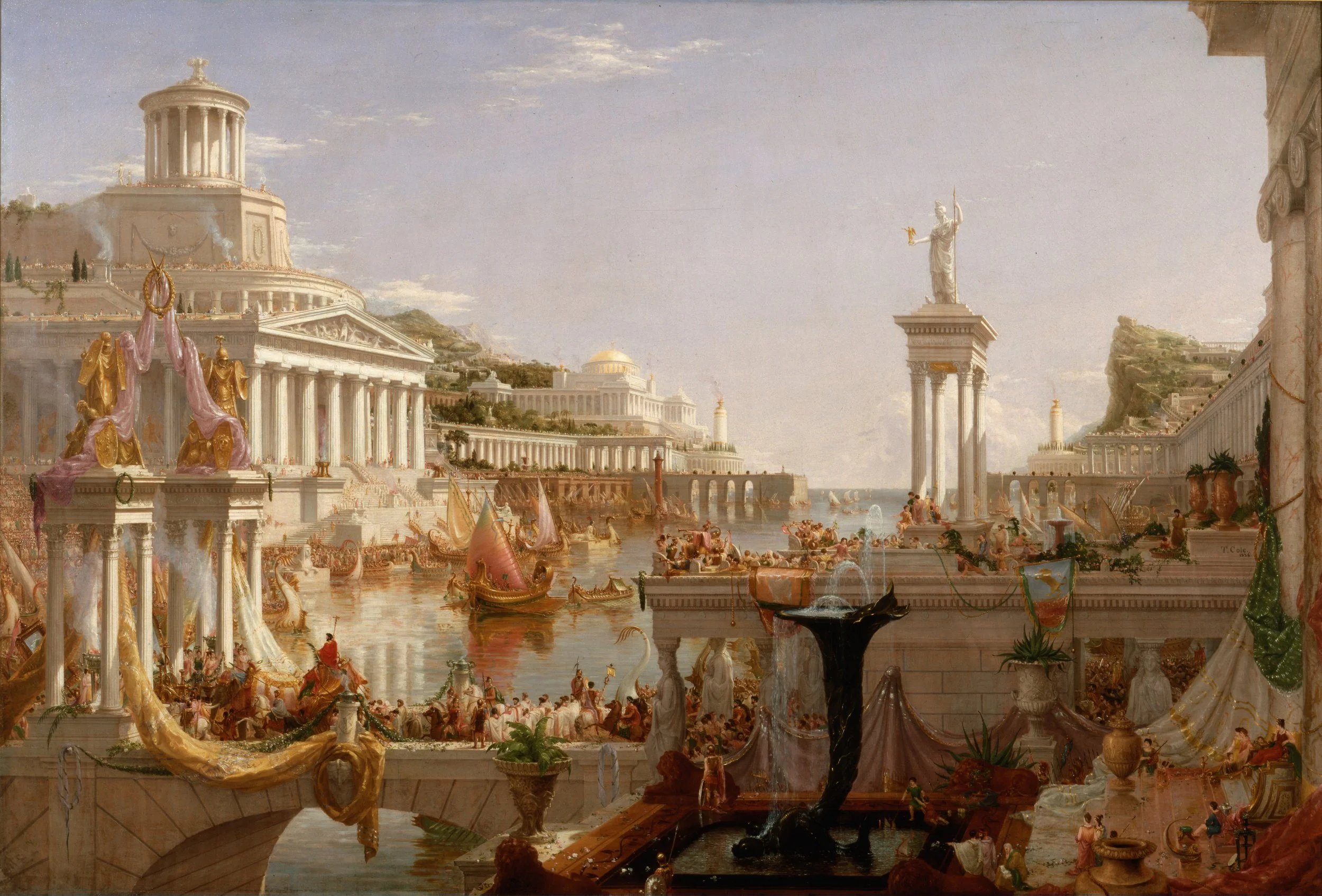
Why the Roman Empire Fell: On Edward Gibbon→
“Gibbon told a conversion story about how he became the historian of the Roman Empire…”
Podcast, Madison’s Note
New Books Network

A Republic, If You Can Teach It→
“We want our students to love their country with their eyes wide open…”
with Robert McDonald
RealClearPolitics
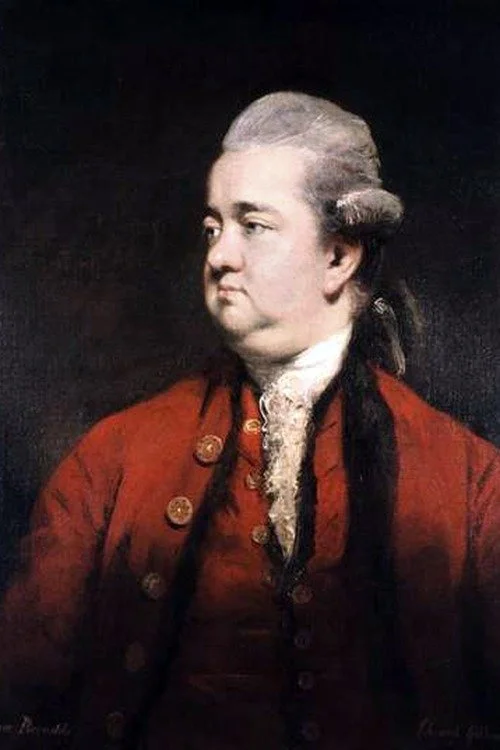
1776 in Mind: The History of the Decline and Fall of the Roman Empire→
“Gibbon thought the Roman case was instructive by way of disanalogy, not analogy…”
Panel discussion with Tim Stuart-Buttle and Brian Young
National Association of Scholars
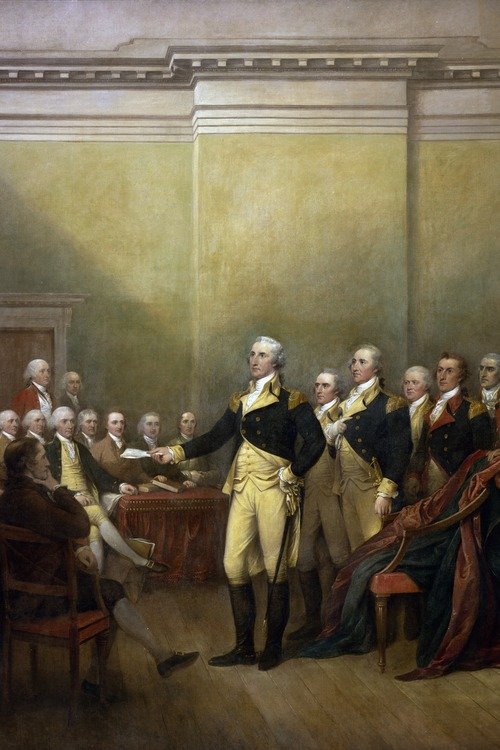
“A week or so after I arrived at West Point, I opened my car door onto a naked corpse…”
The Point
Selected Writing & Media
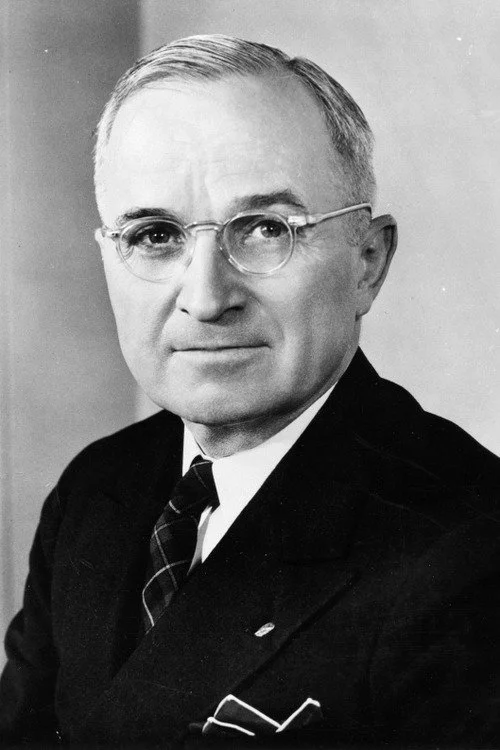
From Cicero to Trump, They're All in Plutarch's Lives→
“‘They just don’t come any better than old Plutarch,’ President Harry Truman told his biographer…‘he knew more about politics than all the other writers I’ve read put together’…”
The Wall Street Journal
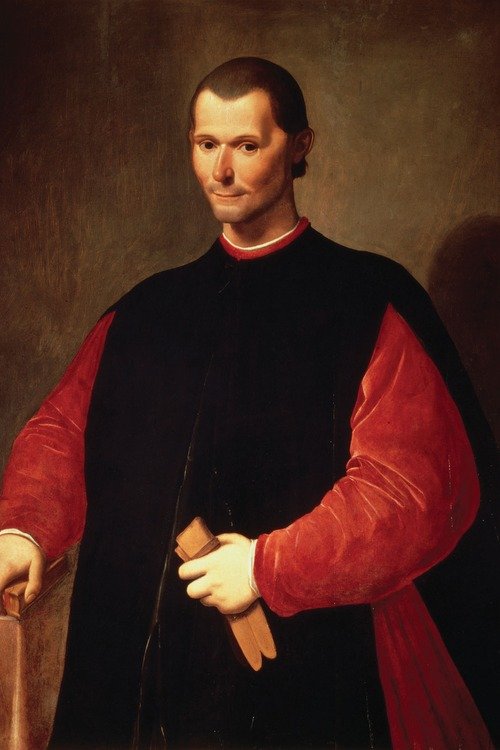
“Machiavelli offers an immoralist’s defense of morality…”
A review of Catherine Zuckert's Machiavelli's Politics
Claremont Review of Books
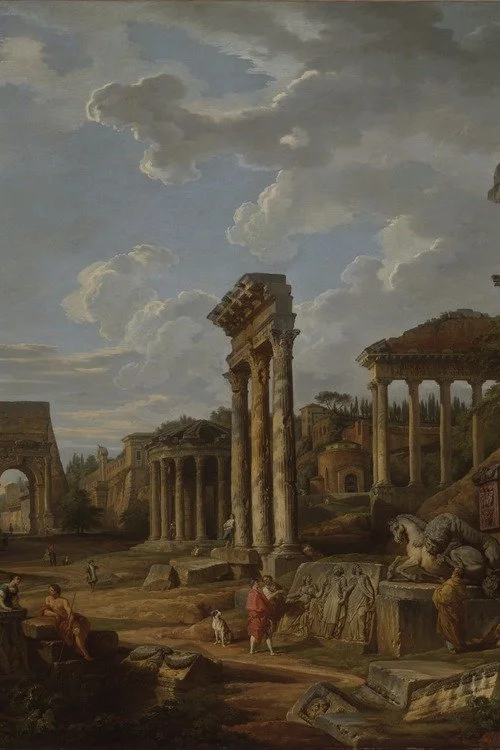
Gibbon's Christianity: Religion, Reason, and the Fall of Rome→
“An ironic philosophical historian he certainly was but Gibbon was also an astute psychologist of religion able to empathetically understand, even admire, early Christianity’s appeal and power…”
Interview at the Institute of Intellectual History
University of St Andrew
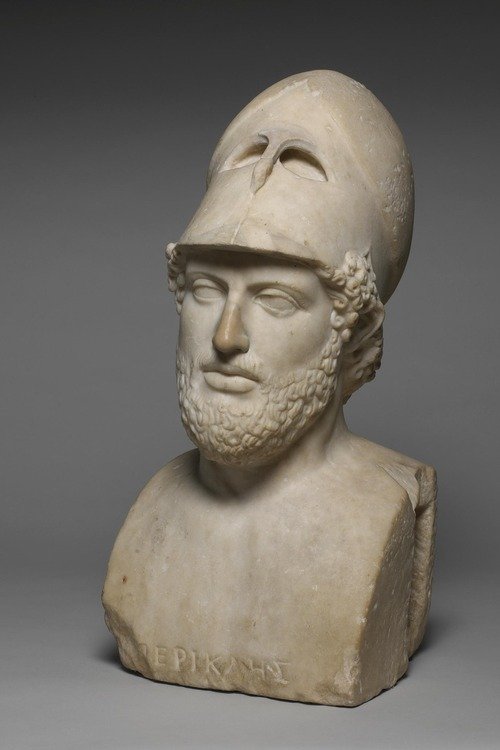
Plutarch as Philosopher and Political Thinker→
“Plutarch's main focus is not history, but the soul…”
Podcast, Madison's Note
New Books Network
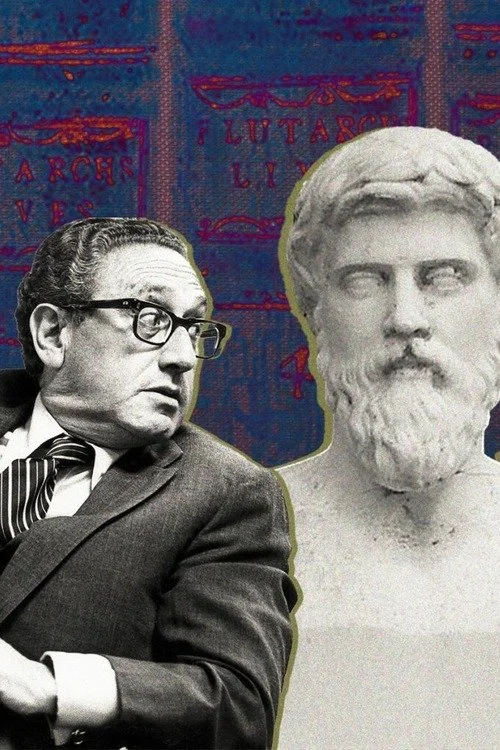
“There’s a permanent possibility for remarkable leadership…”
Podcast with Rebecca Burgess on Kissinger's Leadership and Plutarch's Parallel Lives
Law & Liberty
Books
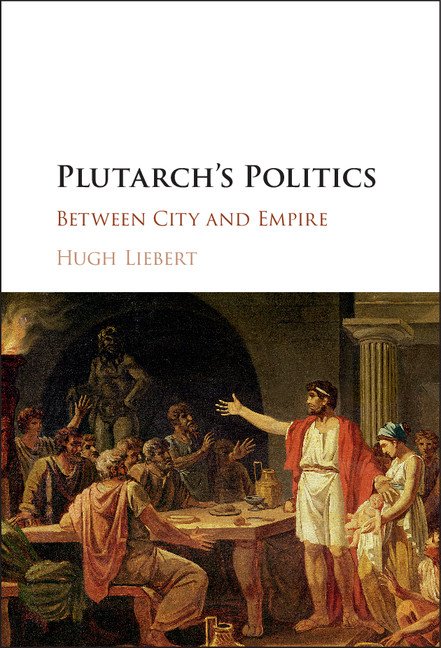
Plutarch’s Politics: Between City and Empire→
A study of ambition, empire, and the character of political life in Plutarch's Lives. Winner of the Delba Winthrop Award for Excellence in Political Science.
“A marvellous guide for reading the Lives as a genre of political philosophy.”
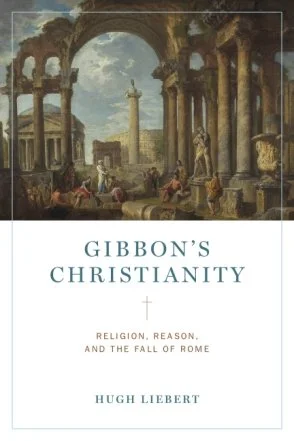
Gibbon’s Christianity: Religion, Reason, and the Fall of Rome→
An exploration of Edward Gibbon’s complex relationship with religion, drawing on his correspondence, journals, early writings, and memoirs to illuminate how he understood Christianity’s worldly power and its role in the story of Rome’s fall.
“An outstanding advance in the scholarship on the author and his great work”
Hugh Liebert writes for general readers about politics, history, and civic life. His essays have appeared in the Wall Street Journal, First Things, and The Point. He is currently writing a book on ambition and the political life of small towns.
About
Liebert is a professor of political science at West Point, where he directs the Dawkins Scholars Program and is founding co-director of the American Foundations Program. He is the author or editor of seven books, including Plutarch's Politics (winner of the Delba Winthrop Award) and Gibbon's Christianity. His scholarship examines how ancient and early modern thinkers understood ambition, citizenship, and the purpose of politics.

Contact
For speaking invitations, interview requests, or general correspondence, please reach out using the form below.